



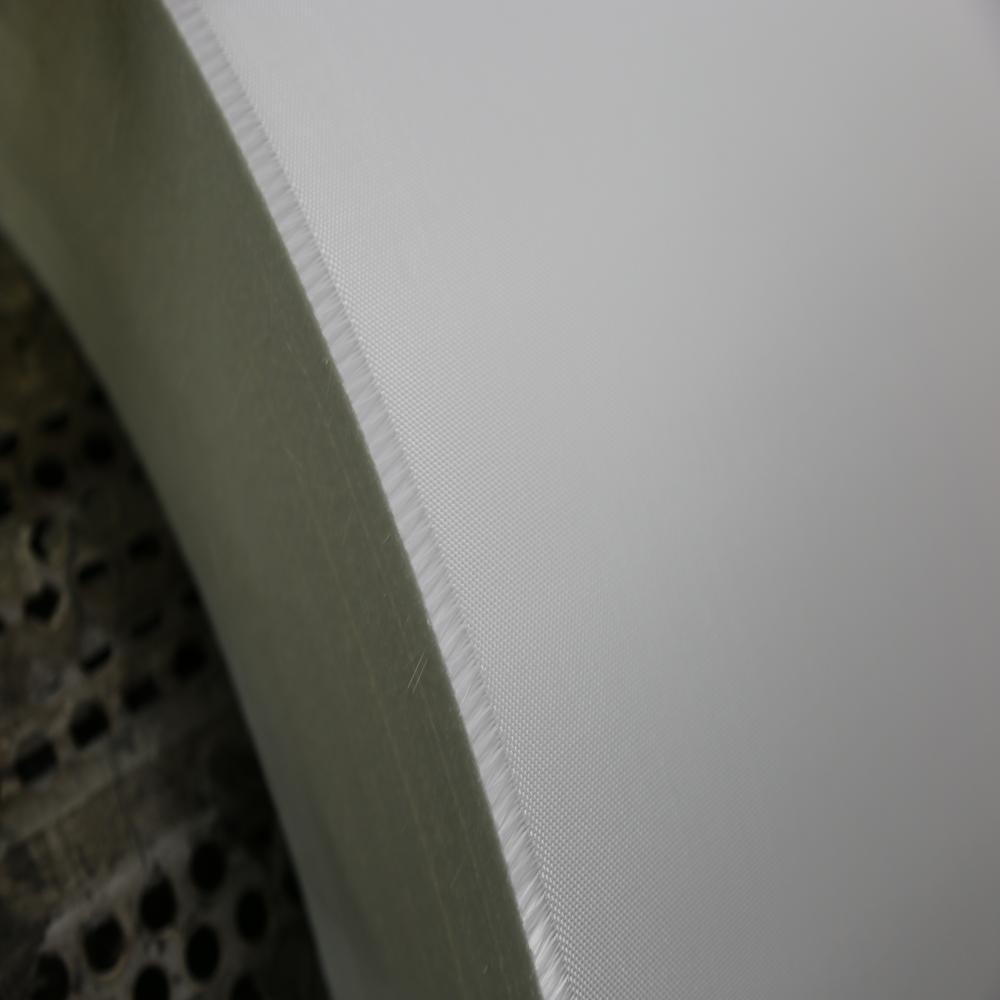
7 Mil fiberglass Cloth
42.0 INR/Square Foot
Product Details:
- Water Proof Water resistant, not fully waterproof
- Fabric Material E-glass fiberglass
- Width 36, 40, 50, or custom (common: 40)
- Stretch Type Low stretch (minimal elongation)
- Weave Style Plain weave
- Pattern Type Plain
- Application Boat building, auto body repair, composite construction
- Click to View more
X
7 Mil fiberglass Cloth Price And Quantity
- 500 Square Foot
- 42.0 INR/Square Foot
7 Mil fiberglass Cloth Product Specifications
- E-glass filament yarns
- White
- Structural reinforcement, insulation, laminating, mold making
- E-glass fiberglass
- Custom lengths available (typically supplied in rolls)
- Plain
- Water resistant, not fully waterproof
- Around 6.7 oz/yard2 (227 g/m2)
- 18 Gram per cubic centimeter(g/cm3)
- Plain weave
- Woven fiberglass cloth
- High tensile strength
- Low stretch (minimal elongation)
- Smooth fabric texture
- Plain weave
- 7 Mil Fiberglass Cloth
- Fiberglass
- Industrial grade
- Boat building, auto body repair, composite construction
- 36, 40, 50, or custom (common: 40)
- Varies by roll and manufacturer specifications
- Excellent dielectric properties
- Low
- Self-extinguishing, meets flame resistance standards
- Good
- Excellent, reinforced for industrial use
- Greige or silane finish available
- Can be heat-cleaned or treated
- Up to 550C (1022F) continuous
- Compatible with polyester, epoxy, vinyl ester resins
- Resistant to most chemicals and solvents
- 7 mil (approximately 0.18 mm)
- Good flexibility for contouring and wrapping
7 Mil fiberglass Cloth Trade Information
- Mumbai
- 10 Square Foot Per Day
- 10 Days
- No
- Free samples are available
- As per the requirements
- All India
- ISO, & other Technical Textile certification
Product Description
7628 Fiberglass Cloth 7 Mil | Industrial Grade | High Strength & Thermal Resistance
We offer premium quality 7628 style 7 Mil fiberglass cloth, designed for industrial insulation, composite reinforcement, electrical insulation, and fire protection applications. This woven E-glass fabric delivers exceptional mechanical and thermal performance, making it ideal across multiple sectors worldwide.
-
Type: Woven E-Glass Fabric
-
Thickness: 7 Mil (approx. 0.18 mm)
-
GSM: As per international standard
-
Color: White
-
Surface Finish: Plain weave, smooth texture
-
Coating Compatibility: Silicone, PTFE, Acrylic, Graphite, etc.
-
Temperature Resistance: Up to 550C (based on coating)
-
Packaging: Roll form, export-grade packing
Applications:
Thermal insulation in industrial furnaces and pipelines
Reinforcement in FRP, GFRP, and composite panels
Electrical insulation in transformers and motors
Fire barrier curtains, welding blankets, and protective clothing
Base material for printed circuit boards and laminates
Consistent export quality
Custom dimensions & coatings available
Bulk supply for OEMs, contractors, and resellers globally
Exceptionally Durable and Heat Resistant
Engineered to perform in challenging environments, the 7 Mil Fiberglass Cloth withstands continuous exposure to temperatures as high as 550C (1022F) without compromising its integrity. This high-temperature resistance, combined with its flame-retardant nature and excellent chemical resilience, makes it a dependable choice for demanding industrial and composite applications.
Versatile in Application and Easy to Handle
Thanks to its good flexibility and smooth plain weave surface, the 7 Mil Fiberglass Cloth easily contours and wraps around complex shapes. Its low-stretch property and high tear strength ensure a robust, reliable finish whether you are engaged in laminating, mold making, or structural reinforcement projects in marine, automotive, or construction industries.
FAQ's of 7 Mil fiberglass Cloth:
Q: How can I use the 7 Mil Fiberglass Cloth for composite construction or repair?
A: To use the 7 Mil Fiberglass Cloth in composite construction or repairs, cut the fabric to the desired size and shape. Lay it onto the mold or surface, and apply a compatible resin (such as polyester, epoxy, or vinyl ester). Press and contour the fabric as needed, and allow it to cure. This process is ideal for laminating, structural reinforcement, or mold making in marine, auto, or construction projects.Q: What makes this fiberglass cloth suitable for high-temperature or industrial applications?
A: The 7 Mil Fiberglass Cloth is engineered from E-glass filaments and has a plain weave that delivers excellent tensile strength and stability. It is rated for continuous use at temperatures up to 550C (1022F) and offers flame-retardant, self-extinguishing properties, making it ideal for high-temperature and industrial settings.Q: When should I choose silane finish over greige finish for this fiberglass cloth?
A: Opt for the silane finish when enhanced compatibility with epoxy and vinyl ester resins is required. The silane treatment aids in resin bonding and improves overall composite strength, while the greige (untreated) finish is suitable for general applications where special bonding is not critical.Q: Where can I order custom sizes or lengths of the 7 Mil Fiberglass Cloth?
A: Custom widths and lengths are available directly from the manufacturer, exporter, or authorized supplier. Standard roll widths like 36 and 40 inches are common, but custom sizing can be accommodated to meet specific project requirements.Q: What are the benefits of using this fabric for electrical insulation?
A: With its excellent dielectric properties and low moisture absorption, the 7 Mil Fiberglass Cloth provides reliable electrical insulation in high-voltage and sensitive environments. Its chemical resistance also ensures long-lasting performance in industrial and electrical applications.Q: How does the water resistance of this fabric impact its performance?
A: While the 7 Mil Fiberglass Cloth is water-resistant-minimizing moisture absorption and infiltration-it is not entirely waterproof. This characteristic protects against most liquid exposures, preserving mechanical strength and dimensional stability in structural, marine, and insulation uses.Tell us about your requirement

Price:
Quantity
Select Unit
- 50
- 100
- 200
- 250
- 500
- 1000+
Additional detail
Mobile number
Email

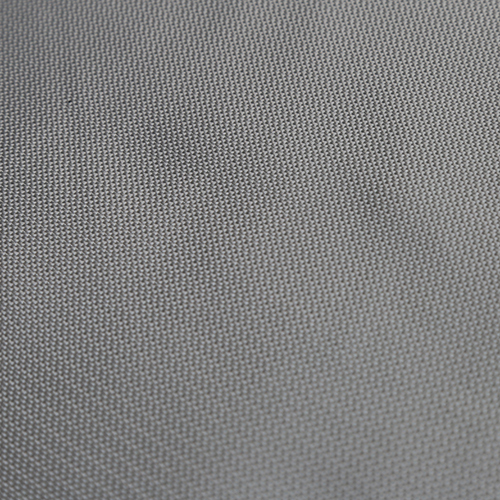
Other Products in 'Loomstate Fabric' category


Contact Details
Montex Glass Fiber Private Limited
GST : 27AABCM9322K1Z9

- E76, MIDC Ambad, Nashik - 422010, Maharashtra, India
- Phone :07971459859
- Send Inquiry
 Send Inquiry
- Mr Akhil Dhoot (Executive Director)
- Mobile :07971459859
 Send Inquiry
 Send SMS
Montex Glass Fiber Private Limited
All Rights Reserved.(Terms of Use)
Developed and Managed by Infocom Network Private Limited.
Developed and Managed by Infocom Network Private Limited.

